Leander Is Still Growing: What New Development Means for Homeowners in 2026
If you've driven through Leander, Texas, recently, you've probably noticed that the city is changing.
New neighborhoods are taking shape. Businesses are announcing new locations. Commercial projects are moving forward, and areas that once felt like the edge of town are becoming part of a larger, more connected community.
But here's the question worth asking: What does all this growth actually mean for people buying or owning a home in Leander?
Population growth alone doesn't tell the full story. What matters is whether a city is developing the businesses, infrastructure, services and amenities that help make everyday life more convenient.
And in 2026, Leander has several developments worth watching.
Northline Is Helping Shape Leander's Next Chapter
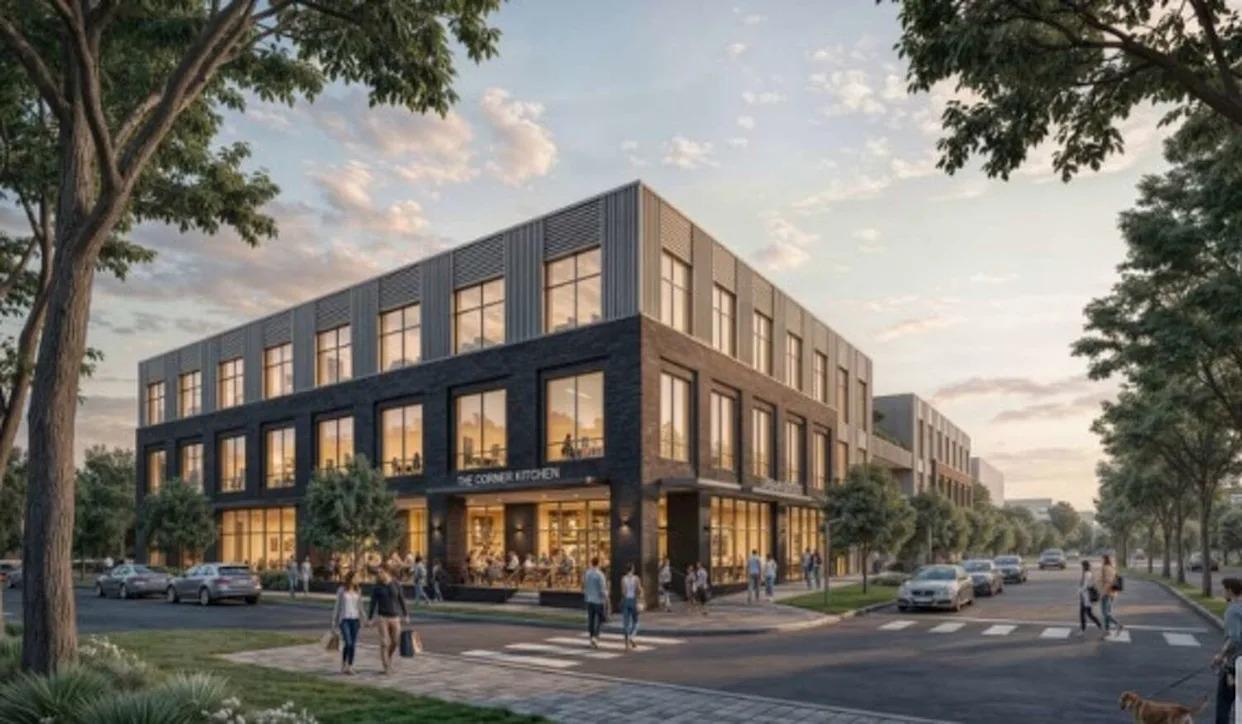
One of the most notable projects is Northline, a major mixed-use development intended to create a new downtown district for Leander.
Rather than focusing on one type of development, Northline is planned to bring together retail, restaurants, residential spaces, offices, hospitality and public gathering areas.
The idea is to create a place where people have more reasons to spend time locally.
That could make a difference for residents who want more dining, shopping and entertainment options without needing to travel to another part of the Austin metro for every activity.
Northline is also located near Leander's transit-oriented development area, connecting the project to the city's broader transportation and growth plans.
The development is worth watching not simply because of its size, but because it represents a different stage in Leander's evolution: moving beyond residential expansion and building more destinations within the city.
New Restaurants and Retail Are Part of the Story
Commercial development can be easy to overlook when people talk about real estate. Buyers tend to focus on bedrooms, bathrooms, square footage and purchase price.
Those things matter, of course. But the surrounding community also influences how a home fits into someone's daily routine.
A nearby restaurant can become a regular Friday-night stop. A new grocery store can shorten errands. A local gathering place can make a growing community feel more connected.
Northline has attracted attention for its planned restaurant and retail mix, including announcements involving Gringo's Mexican Kitchen and other food, shopping and service businesses.
These announcements don't mean every business is already open. Construction and opening dates can change. Still, they give buyers a glimpse of the types of services and destinations being planned for the area.
For someone considering a move to Leander, that's useful context.
You're not just evaluating what's available today. You're also looking at how the surrounding area may develop over time.
Growth Can Bring Benefits—and Challenges
It's important to look at both sides of the story.
New development can improve convenience and bring more services closer to home. It can also create temporary construction activity, heavier traffic and additional pressure on roads and public infrastructure.
The timing of improvements matters, too. A planned project may take years to complete, and not every proposed development will move forward on its original schedule.
That's why buyers should distinguish between three things:
- Existing amenities: Businesses, roads, parks and services that are already available.
- Projects under construction: Developments that are actively being built.
- Planned projects: Proposals or announcements that may change before completion.
Understanding the difference helps you make a more informed decision instead of relying on a rendering or announcement alone.
What Does Development Mean for Home Values?
This is where buyers and homeowners need to be careful.
New commercial investment can make an area more convenient and appealing, but it does not guarantee that every nearby property will increase in value.
Home values are influenced by many factors, including mortgage rates, housing supply, property condition, school boundaries, local demand, taxes and the price of comparable homes.
Even within Leander, two neighborhoods can perform differently.
A home close to new retail may appeal to someone who values convenience. Another buyer may prefer a quieter location farther from major roads and commercial activity.
Neither preference is wrong. The important thing is understanding what matters to you and how the location fits your plans.
Questions to Ask Before Buying in a Growing Area
If you're considering a home in Leander, take time to investigate the neighborhood beyond the property itself.
Ask questions such as:
- What businesses and amenities are already open nearby?
- Which developments are under construction?
- Are there major road projects planned for the surrounding area?
- How will the commute work during peak traffic hours?
- What are the property tax rate and HOA fees?
- Is the neighborhood still being built out?
- Will future construction affect the privacy, views or traffic around the home?
Drive through the area at different times of day. Visit nearby shopping and dining destinations. Check the official city development information rather than relying exclusively on social media posts.
These steps can help you understand what living in the area will actually feel like.
Leander's Growth Is About More Than New Houses
The bigger story is that Leander is continuing to develop the pieces that make a city more than a collection of residential neighborhoods.
New homes bring residents. Residents support local businesses. Businesses can create more convenient services and destinations. Public infrastructure and community amenities help support the city's continued development.
These changes don't happen all at once, and they don't guarantee a particular real estate outcome. But they are worth considering when comparing communities around North Austin.
For buyers relocating from outside Central Texas, understanding this context can be especially helpful. You may know the price and floor plan you want, but you might not yet know which parts of Leander fit your lifestyle.
That's where local research makes a difference.
Final Thoughts: Look Beyond the House
Leander's growth is creating new possibilities for residents, but the best decision still depends on your individual goals.
Some buyers will prioritize access to restaurants and shopping. Others will focus on a larger lot, a quieter street or a shorter commute. Some will prefer an established neighborhood, while others will want to be part of a newer community.
The key is to understand both the home and the location.
Because buying real estate isn't just about choosing a house. It's about choosing the community where your life will happen.
If you're considering a move to Leander, Georgetown, Liberty Hill, Cedar Park or Northwest Austin, John Michael Perez can help you compare neighborhoods, explore available homes and understand the factors that matter before making a decision.
Call or text: 737-977-0998
Email: [email protected]
Let's find a home that fits not only your budget, but also the lifestyle you're building.