Living in Leander, TX: How the City's Growth Is Changing What Homebuyers Should Consider
For years, Leander, Texas, has attracted people looking for more space, established neighborhoods, and an alternative to living closer to downtown Austin. But the conversation around Leander is changing.
The city is no longer simply a place where people commute from their homes to jobs and entertainment elsewhere. New commercial development, expanding public spaces, and projects designed to create more walkable destinations are changing how residents may experience everyday life.
For buyers considering a move to the Austin area, that raises an important question: Is Leander still the right place to call home, and what should you consider before buying there?
The answer depends on more than home prices. It involves lifestyle, commute patterns, neighborhood character, future development, and how well a property fits your plans.
Leander Is Growing Beyond Its Reputation as an Austin Suburb
Leander's appeal has traditionally included its location in Williamson County, access to major roadways, residential communities, and connection to the greater Austin region.
But as the city grows, its identity is becoming more diverse.
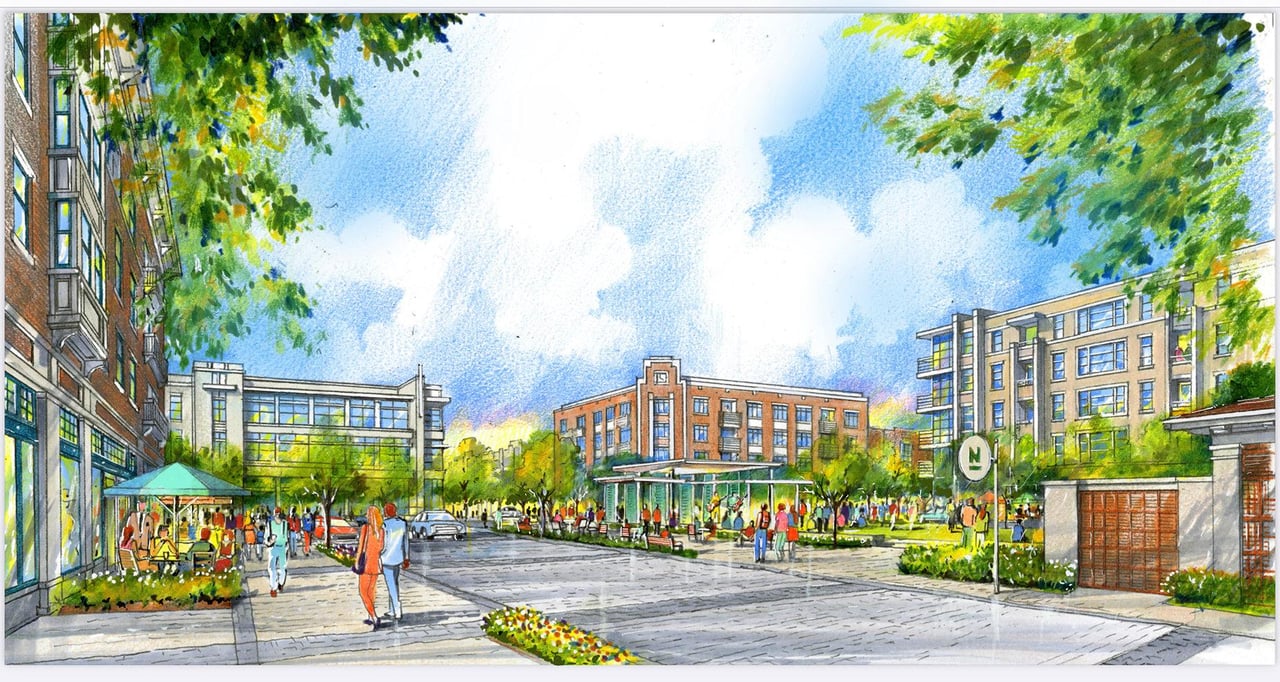
One of the most notable projects is Northline, a planned mixed-use district intended to serve as a new downtown destination for Leander. The development is planned across approximately 116 acres near Highway 183 and 183A.
According to the project's official information, Northline is planned to include residential properties, retail, restaurants, office space, a hotel, civic buildings, public gathering areas, parks, and trails.
This type of development matters because it can change how residents use their city. Instead of traveling elsewhere for every restaurant, gathering place, or community activity, residents may eventually have more options closer to home.
However, buyers should understand the difference between a development vision and completed amenities. Northline is being built in phases, and its published renderings and plans are conceptual and subject to change.
What Northline Could Mean for Leander Homeowners
A major mixed-use development can influence how people evaluate an area.
For some buyers, access to restaurants, retail, public spaces, and services is an important part of choosing a neighborhood. For others, the priority may be a quieter residential setting with convenient access to major roads.
Northline could contribute to Leander's long-term appeal in several ways.
More places to shop, dine, and gather
A growing mix of retail and dining options can make daily routines more convenient. It can also create destinations where residents spend time outside their homes.
More opportunities for local employment
Office and commercial development may create additional employment opportunities in the area. That does not mean every resident will work nearby, but a broader employment base can help a city become less dependent on commuting to another location.
More public spaces and community activity
Plans for parks, trails, civic spaces, and a town square suggest a greater emphasis on public gathering areas. These spaces can become part of a city's identity as they are completed and activated.
The important consideration for buyers is timing. A home purchased today should make sense based on the lifestyle and amenities currently available—not solely on what a development may deliver several years from now.
Choosing the Right Neighborhood in Leander
Not every part of Leander offers the same experience.
Some buyers prioritize newer construction and community amenities. Others prefer established neighborhoods, larger lots, or easier access to major roads.
When comparing homes, consider the following:
1. Your daily commute
Leander offers access to major routes, including US 183 and the 183A Toll Road. The best route will depend on where you work, when you travel, and how much flexibility you have.
If you are commuting toward Austin, test the route during your actual travel hours. A map estimate during off-peak times may not reflect your daily experience.
2. The type of home you want
Do you prefer a newer home with a modern floor plan, or would you rather have an established property with mature landscaping?
Consider the size of the home, lot, storage, outdoor space, and the potential cost of future maintenance.
3. Schools and attendance zones
Families should verify school assignments directly with Leander Independent School District. School boundaries and attendance assignments can change, and a property's proximity to a school does not automatically establish its assigned campus.
4. Property taxes and total ownership costs
A home that appears affordable based on its purchase price may have a different monthly cost once property taxes, insurance, utilities, and any applicable HOA fees are included.
Review the property's actual tax information and ask about available exemptions rather than relying on a general estimate.
5. Future development nearby
Look beyond the immediate property. Check nearby road projects, planned commercial development, construction activity, and potential changes to surrounding land uses.
Future development can bring convenience, but it can also mean construction, traffic changes, or a different neighborhood environment.
Is Leander a Good Place to Move in 2026?
Leander may be a strong option for buyers who want to be part of the greater Austin region while considering a suburban residential environment.
It can be particularly appealing to people who value:
- Access to the Austin employment market.
- A range of residential communities and home styles.
- Major road connections and regional transportation options.
- A growing selection of local businesses and services.
- The potential for more mixed-use destinations and public spaces.
But no city is the right fit for everyone.
Someone who wants to walk to a large number of established restaurants and entertainment venues may prefer a different location. Someone whose daily commute is on the opposite side of Austin may find another community more practical.
The best decision comes from comparing the realities of daily life, not just the reputation of a city.
What Buyers Should Do Before Purchasing in Leander
Before making an offer, take time to evaluate the property and the surrounding area.
Visit the neighborhood on weekdays and weekends. Drive the commute. Check school assignments if relevant. Review property taxes, HOA requirements, and available amenities. Ask what nearby developments are approved, under construction, or still in the planning stage.
Most importantly, compare several areas instead of assuming that one city or neighborhood automatically offers the best value.
A home is not just a purchase. It is where your routines, relationships, and future plans will take shape.
Frequently Asked Questions About Living in Leander, TX
Is Leander, Texas, a good place to live?
Leander may be a good fit for people seeking a suburban setting in the Austin region, access to major roadways, and a growing range of local amenities. The right fit depends on commute, budget, neighborhood preferences, and lifestyle.
Is Leander still growing?
Yes. Development continues across the city, including Northline, a planned 116-acre mixed-use district with residential, retail, office, hotel, and civic uses.
What is Northline in Leander?
Northline is a planned downtown district near Highway 183 and 183A. Its development plan includes retail, restaurants, offices, residential uses, public spaces, and other community amenities.
Is Leander close to Austin?
Leander is in Williamson County, north of Austin. Travel time depends on the destination, route, and traffic conditions. Buyers should test their actual commute rather than rely only on distance.
What should I check before buying a home in Leander?
Review the property's condition, property taxes, insurance costs, HOA requirements, school attendance zone if applicable, commute, and nearby development plans.
Thinking About Moving to Leander or the North Austin Area?
Choosing the right home starts with understanding the community around it. Whether you are relocating to Central Texas, buying your first home, or looking for a property that better fits your next chapter, having a clear strategy can make the process easier.
John Michael Perez helps buyers explore opportunities across Leander, Georgetown, Liberty Hill, Austin, and Northwest Austin.
If you are considering a move, let's talk about what matters most to you and identify the communities and homes worth exploring.
Call or Text: 737-977-0998
Email: [email protected]
Schedule a Strategy Call: https://calendly.com/meetjohnmichael/moving-to-austin
Start Your Home Search: https://bit.ly/4j8pxnL
Your next move deserves more than a search for available houses. It deserves a plan.
Image Source: Northline Leander – Official Development Website. Architectural rendering of the planned Northline mixed-use development in Leander, Texas. All development images are conceptual and subject to change.